
All Car Price in Ireland 2026 | New & Used Values | CarVRT
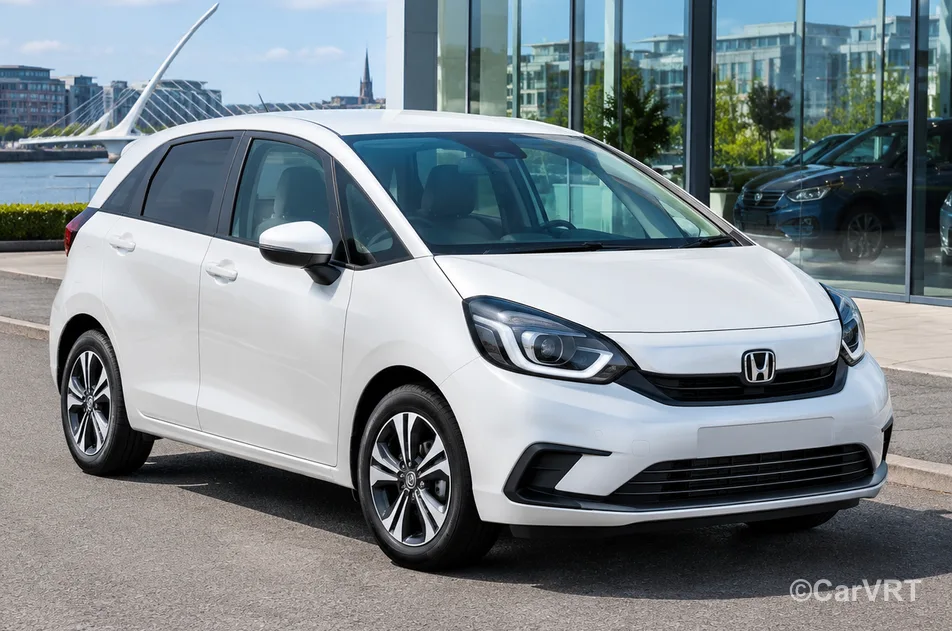
- Honda Fit Price in Ireland 2026Honda · New1.5 litersPetrol€29,000.00
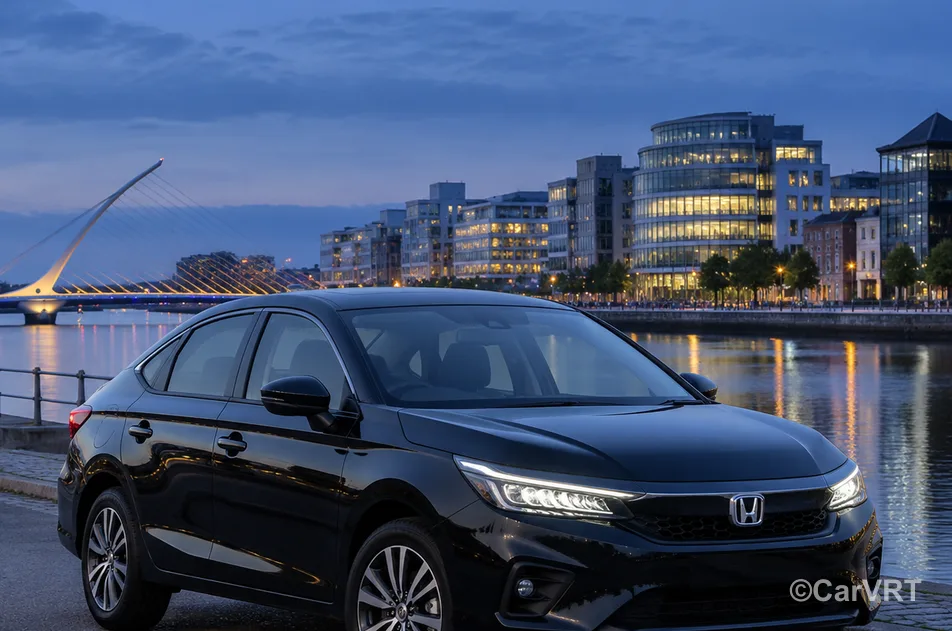 Honda City Price in Ireland 2026Honda · New1497 ccPetrol€29,000.00
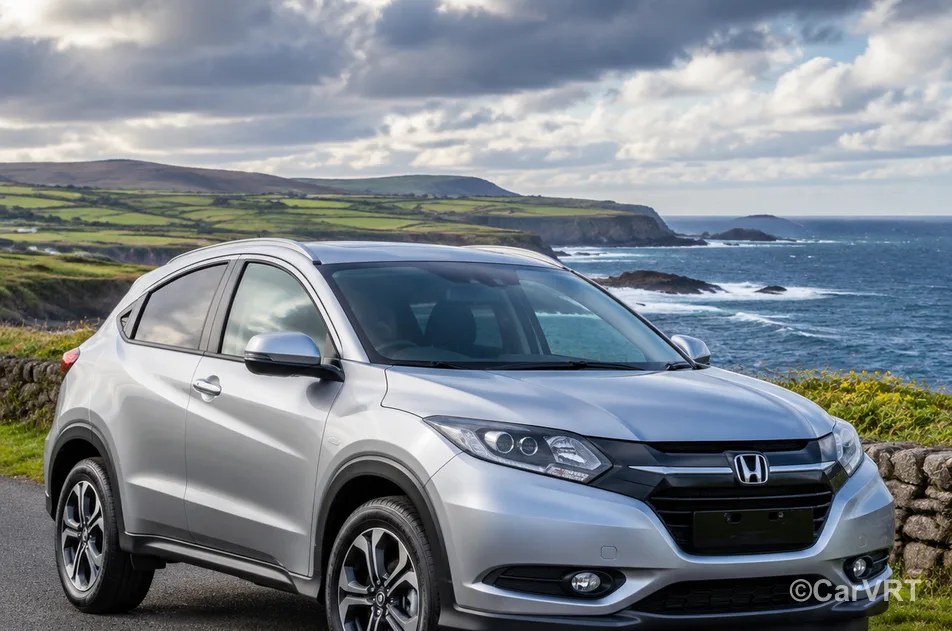 Used Honda Vezel 2015 Price in IrelandHonda · Used1500 ccOctane€14,000.00
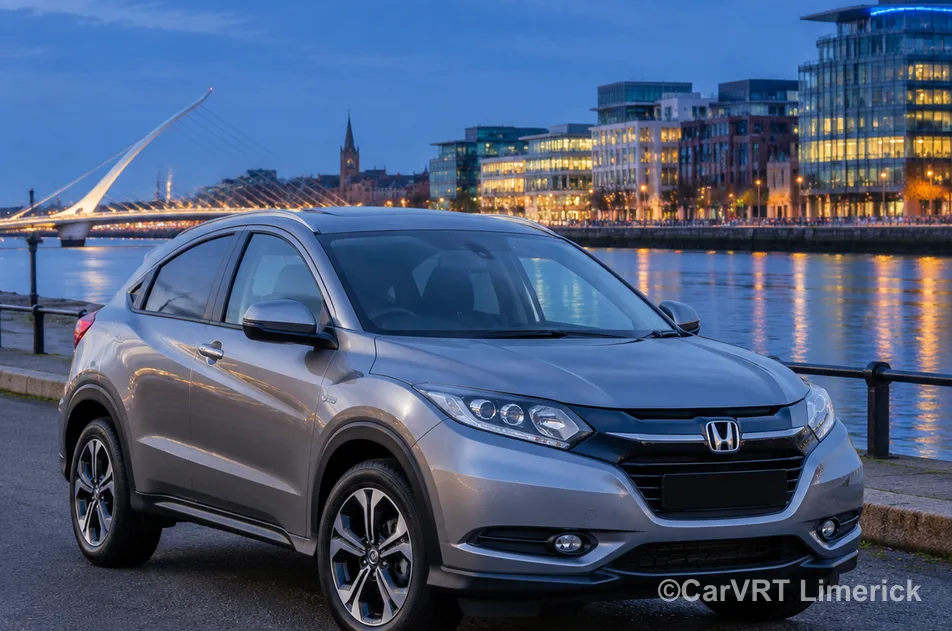 Used Honda Vezel 20014 Price in Ireland 2026Honda · Used1.5 litersHybrid€13,000.00
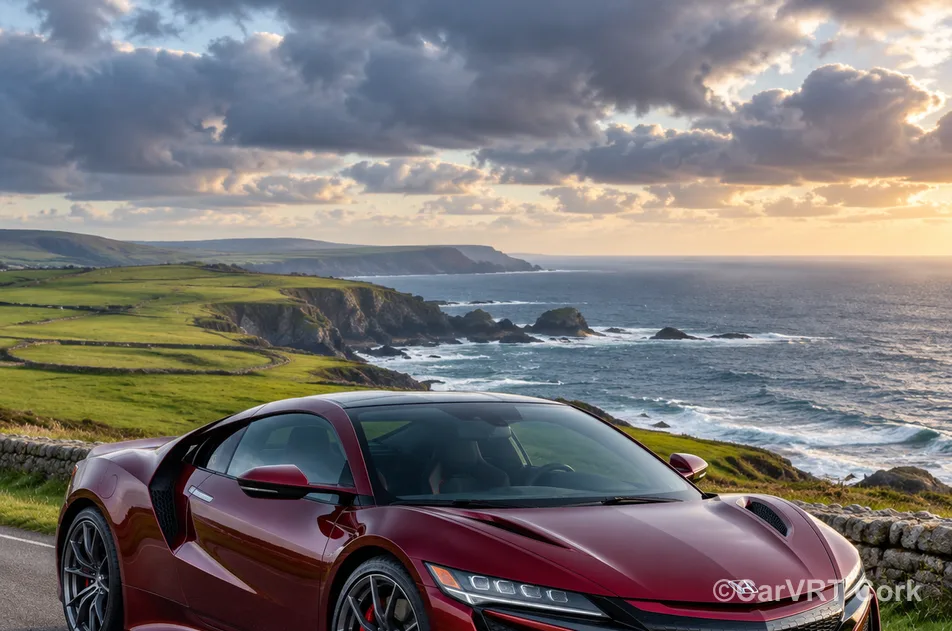 Honda NSX Price in Ireland 2026Honda · New3.5-liter V6 twin-turbochargedHybrid (Petrol-Electric)€245,000.00
 Honda CR-V Price in Ireland 2026Honda · New1,498 ccPetrol€68,000.00
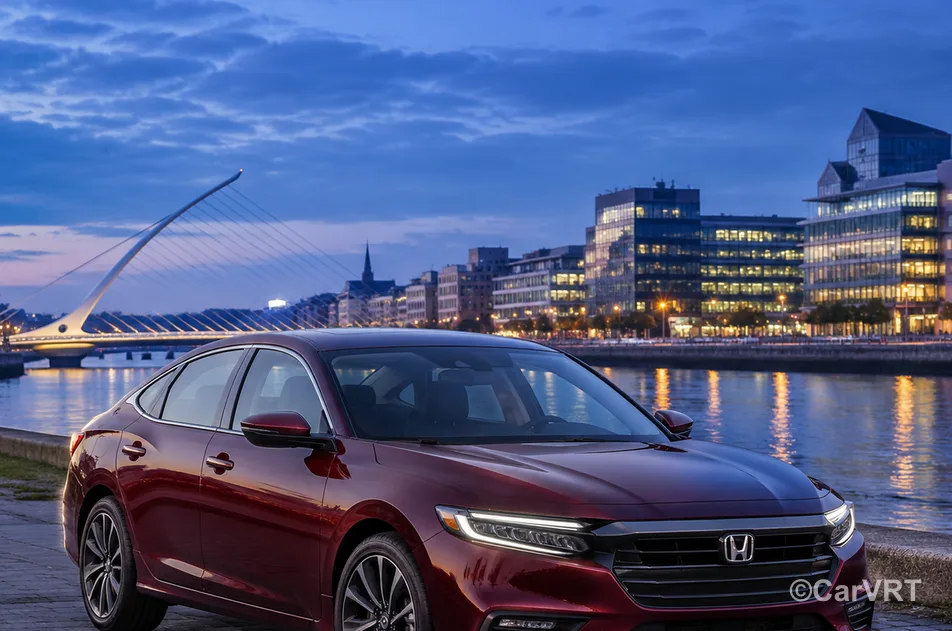 Honda Insight Price in Ireland 2026Honda · New1.5 litersHybrid€39,000.00
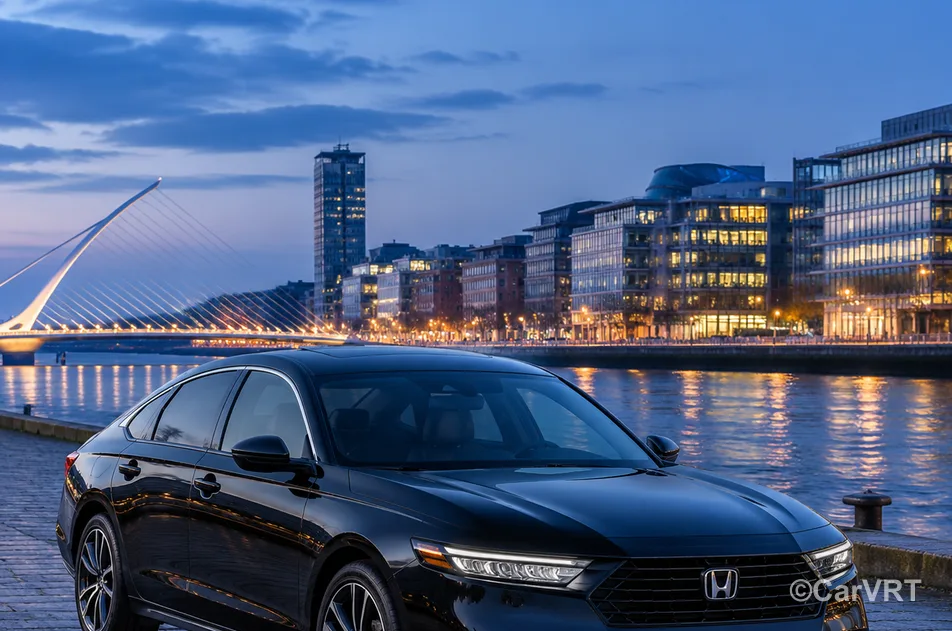 Honda Accord Price in Ireland 2026Honda · New1498 ccPetrol€49,000.00
All Car Price in Ireland 2026
Buying a car in Ireland requires a solid understanding of how local taxes, import rules, and powertrain choices shape the final price tag on the windscreen. Whether you are browsing DoneDeal for a reliable commuter car, visiting a main dealer in Dublin along the Naas Road, or shopping for a family SUV in Cork or Galway, car prices in Ireland reflect a unique mix of market forces. In 2026, motorists face a diverse market where traditional petrol and diesel models sit alongside mild hybrids, plug-in hybrids, and fully electric vehicles.
Understanding the true cost of getting on the road goes beyond the initial cash price or the monthly PCP payment. Factors like Vehicle Registration Tax (VRT), annual motor tax bands based on CO2 emissions, the National Car Test (NCT), and available SEAI grants all play a massive role in determining what a vehicle actually costs to buy and run in Ireland.
How Car Pricing Works in Ireland
New car pricing in Ireland is heavily influenced by VRT, a tax levied by Revenue when a vehicle is first registered in the State. VRT is calculated as a percentage of the Open Market Selling Price (OMSP), with rates rising steeply for vehicles with higher CO2 emissions. This system means zero-emission electric cars and low-emission hybrids enjoy a tax advantage compared to high-emission petrol or diesel models.
For used cars, Brexit transformed the traditional practice of importing from the UK. Vehicles brought across the Irish Sea from Great Britain are now subject to customs duties, VAT, and VRT, which has pushed up used car values across Ireland. As a result, Irish buyers rely more heavily on domestic stock, trade-ins, and Japanese imports, keeping secondhand prices firm from Donegal down to Kerry.
Typical Car Price Ranges by Segment
To help you budget, here is how the Irish car market breaks down across the main vehicle categories in 2026:
- Superminis and Small Hatchbacks: Expect to pay between €22,000 and €28,000 brand new. Quality used examples with a valid NCT typically range from €8,000 to €15,000 depending on age and mileage.
- Family Hatchbacks and Compact Saloons: New prices generally start around €30,000 and run up to €42,000. These are popular choices for tackling the daily M50 commute or suburban runs.
- Crossovers and Family SUVs: The most in-demand segment in Ireland. Entry-level crossovers start near €32,000, while spacious family SUVs regularly cost between €40,000 and €55,000.
- Electric Vehicles (EVs): After accounting for the SEAI grant on eligible models, new electric cars generally start from €28,000 for compact models, with long-range family crossovers ranging from €38,000 to €52,000.
- Executive and Luxury Vehicles: Premium saloons and large SUVs from German manufacturers usually start above €55,000 and can easily exceed €90,000 for high-spec plug-in hybrid or electric variants.
Popular Models and Price Overview 2026
The table below outlines typical price expectations for some of Ireland’s top-selling new and recent used cars across popular segments.
| Make & Model | Segment | Typical Used Price (3-5 Yrs) | Typical New Price (2026) |
|---|---|---|---|
| Toyota Yaris Cross | Compact Crossover | €21,500 - €25,500 | €30,500 - €35,000 |
| Hyundai Tucson | Family SUV | €24,000 - €29,000 | €37,000 - €46,000 |
| Volkswagen Golf | Family Hatchback | €19,000 - €24,000 | €33,000 - €40,000 |
| Kia Sportage | Family SUV | €23,500 - €28,500 | €37,500 - €45,000 |
| Nissan Qashqai | Crossover | €20,000 - €25,000 | €35,000 - €42,000 |
| Tesla Model Y | Electric SUV | €32,000 - €38,000 | €44,000 - €54,000 |
| Skoda Octavia | Family Saloon/Estate | €18,500 - €23,500 | €31,500 - €39,000 |
| BMW 3 Series | Executive Saloon | €27,000 - €34,000 | €54,000 - €65,000 |
Smart Buying Advice for Irish Drivers
Navigating the Irish car market requires a clear strategy whether you are buying privately or through a franchised dealer network. Keep these practical tips in mind before parting with your deposit:
- Check the Motor Tax Band: Always look at the CO2 rating before buying. Annual motor tax ranges from €120 per year for electric vehicles up to over €2,400 for high-emission performance cars. A cheaper used car might prove expensive if the annual tax bill is high.
- Factor in Running Costs: Diesel remains popular for drivers covering high annual mileage on regional routes like the N7 or M4, but hybrid or electric powertrains offer substantial fuel savings for city driving around Dublin, Cork, or Limerick.
- Inspect Used Cars Thoroughly: When buying secondhand on the private market, always verify the NCT status, request a full motor history check to ensure there is no outstanding finance or previous crash damage, and check that the service history is complete.
- Understand PCP Agreements: If financing a new or near-new car through Personal Contract Purchase (PCP), make sure you are comfortable with the deposit, the annual mileage limits, and the Final Guaranteed Future Value (the balloon payment) if you intend to keep the car at the end of the term.
- Calculate VRT on Imports: If you are considering bringing a car in from abroad, use Revenue's online VRT calculator to estimate the exact tax due, and do not forget to include NOx charges and customs fees where applicable.